
How mobile apps have changed our everyday lives is something I find amazing when I think about how much technology has advanced over the years. There was a time when we needed a separate device for almost everything we wanted to do. Today, we can accomplish so many everyday tasks with a little device that fits right in our pocket.
Think about it. Our phones are no longer just for making phone calls. We use them to communicate with family, take pictures, manage appointments, find directions, shop, and even run businesses.
Sometimes, I wonder how we ever managed without them!
Remember Life Before Mobile Apps?

Do you remember when cell phones were only used for making calls? Some of those early phones were so big that carrying one around wasn’t exactly convenient.
Before smartphones became popular, we relied on many different things to get through our day.
We used paper maps when traveling, cameras to take pictures, address books to keep track of phone numbers, and calendars hanging on the wall to remember important appointments.
If you wanted to look something up, you might have needed to visit the library, open an encyclopedia, or sit down at your computer.
Now, almost all those things are available through mobile apps.
When I think about how mobile apps have changed our everyday lives, I can’t help but appreciate how much easier everyday tasks have become. Things that once took several steps can now be accomplished in just a few minutes.
It’s incredible how much technology has changed in such a relatively short time.
How Mobile Apps Have Changed the Way We Communicate
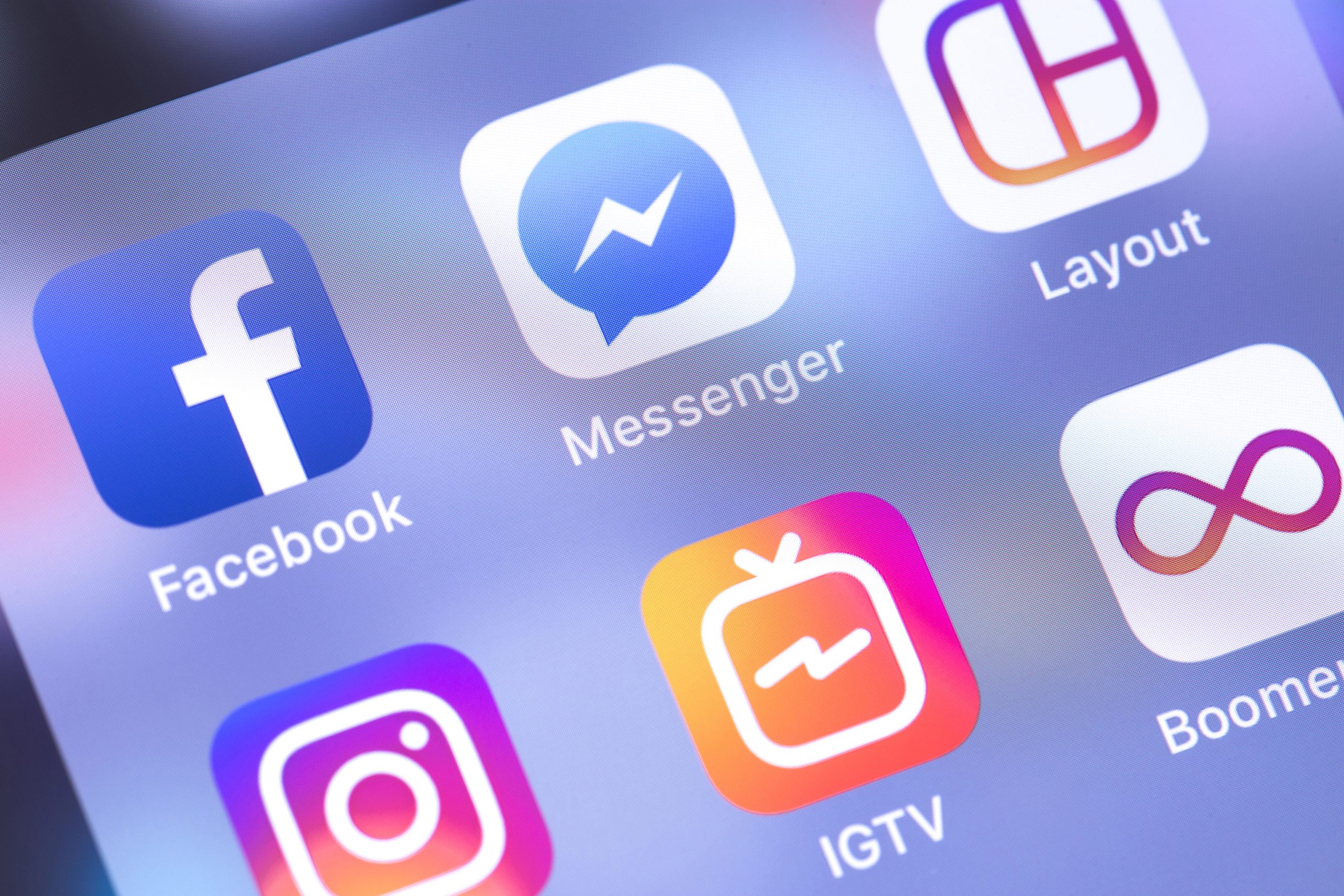
One of the biggest changes mobile apps have brought into our lives is how easily we can stay connected with people.
Years ago, keeping in touch with friends and family who lived far away usually meant making a long-distance phone call or writing a letter.
Today, we have so many options.
We can send text messages, share pictures, make video calls, and communicate through social media platforms.
Apps such as WhatsApp, Messenger, and FaceTime have made it easier to stay connected, even when family members live hundreds of miles apart.
I especially appreciate being able to share pictures and special moments with family without having to wait until the next visit.
Technology can’t replace being together in person, but it certainly helps us feel a little closer.
Mobile Apps Make Traveling Easier
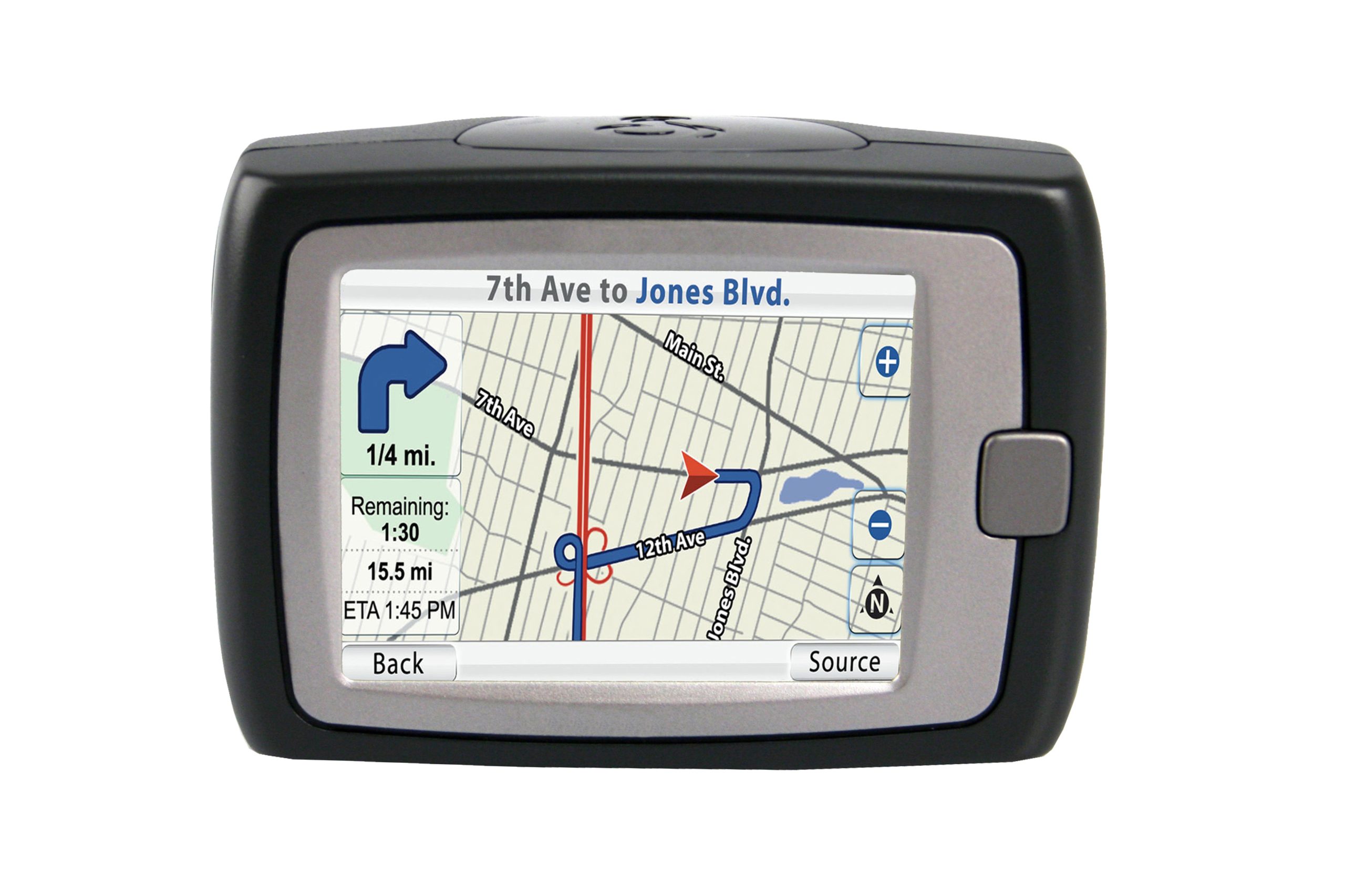
If you’ve ever traveled with a paper map spread across the front seat of your vehicle, you know how much navigation has changed.
I remember when planning a trip meant figuring out which highways to take, where to stop, and how to get back on the right road if you missed a turn.
Today, navigation apps such as Google Maps and Apple Maps can help us find directions, locate gas stations, and discover places to visit along the way.
One of my favorite examples of how mobile apps have changed our everyday lives is the convenience of having travel information right at our fingertips. Whether we’re planning a long road trip or simply exploring somewhere new, these tools can help make traveling less stressful.
Many travel apps also provide information about hotels, restaurants, attractions, and road conditions.
For someone who enjoys road trips and motorcycle riding, having directions available on a phone can be incredibly helpful.
Of course, technology isn’t perfect. Cell service can disappear in remote areas, and GPS directions aren’t always accurate.
That’s why it’s still a good idea to download offline maps before traveling and have a backup plan.
How Mobile Apps Have Changed Shopping and Saving Money
Shopping is another area where mobile apps have made a big difference.
Years ago, finding a good deal often meant looking through newspaper advertisements, clipping coupons, and visiting several stores to compare prices.
Now, we can compare prices, check store advertisements, and find digital coupons without leaving home.
Some stores offer mobile apps that provide access to loyalty programs, discounts, and special promotions.
Other apps may offer cashback opportunities or rewards on qualifying purchases.
However, it’s important to read the requirements before signing up for any savings program. Not every offer is free, and some promotions have restrictions.
Mobile apps can be useful tools for saving money, but they work best when we use them wisely.
Keeping Our Everyday Lives Organized
Have you ever forgotten an appointment or misplaced a shopping list?
I think most of us have at one time or another.
One of the most convenient things about mobile apps is having tools that help us stay organized.
Calendar apps can remind us about appointments, birthdays, and important events.
Notes apps allow us to create shopping lists, save ideas, and keep track of things we don’t want to forget.
We can also set reminders for everyday tasks, create schedules, and organize information in one place.
Another example of how mobile apps have changed our everyday lives is the ability to keep everything organized in one place. From important appointments to everyday reminders, our phones have become useful tools for managing busy schedules.
For people who have busy schedules, these simple tools can make a big difference.
Instead of carrying around several notebooks and pieces of paper, much of that information can be stored on our phones.
Mobile Apps Have Changed How We Work From Home
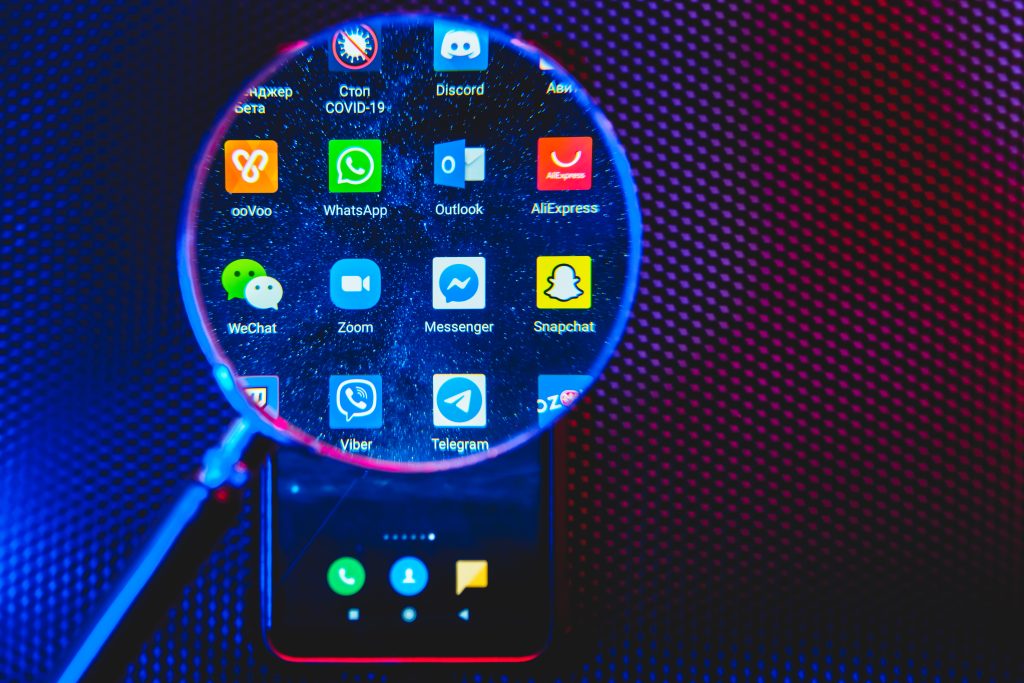
One of the biggest advantages of modern technology is the ability to work and communicate from almost anywhere.
Mobile apps allow people to check emails, attend virtual meetings, communicate with customers, and manage everyday business tasks.
For someone like me who works from home, technology has opened doors that weren’t always available.
I can use my phone to communicate with people, keep track of appointments, and access important information when I’m away from my computer.
Apps such as Google Calendar, Zoom, and Google Drive can help people stay organized and connected.
Of course, working from a phone isn’t always as convenient as using a computer, especially when you’re dealing with larger projects.
Still, having those tools available can make managing a business or working remotely much easier.
Looking at how mobile apps have changed our everyday lives, it’s easy to see why so many people rely on their phones for both personal and business activities. Having important tools available wherever we go gives us more flexibility throughout the day.
Entertainment Is Right at Our Fingertips
Another way mobile apps have changed our everyday lives is by making entertainment more accessible.
We can listen to music, watch videos, read books, play games, and enjoy podcasts almost anywhere.
There are apps for learning new skills, practicing hobbies, and discovering interesting information.
Some entertainment apps offer free content, while others require subscriptions or include advertisements.
It’s always a good idea to check whether an app includes purchases or recurring charges before downloading it.
And while mobile entertainment can be enjoyable, sometimes it’s nice to put the phone down and enjoy what’s happening around us.
Are There Disadvantages to Using Mobile Apps?
As much as I appreciate modern technology, I also believe it’s important to recognize that mobile apps aren’t perfect.
Although we’ve seen how mobile apps have changed our everyday lives for the better, it’s important to remember that technology also comes with responsibilities. Knowing how to use mobile apps safely can help us enjoy their benefits without creating unnecessary problems.
There are a few things we should keep in mind.
- Privacy and security: Some apps request access to personal information, contacts, cameras, or location services. Review permissions before allowing access.
- Too much screen time: Spending hours looking at a phone can take time away from family, hobbies, and other activities.
- Hidden costs: Some apps advertise free downloads but include subscriptions, in-app purchases, or paid features.
- Scams and misleading offers: Not every app or promotion is trustworthy. Download apps from reputable sources and research unfamiliar developers.
- Dependence on technology: Phones can run out of battery, lose service, or stop working when we need them most.
Using mobile apps responsibly helps us enjoy their benefits while reducing some of the risks.
What Does the Future Hold for Mobile Apps?
Technology continues to change, and it’s exciting to imagine what mobile apps might be able to do in the future.
Artificial intelligence is already becoming part of many everyday applications.
Some apps can help us write messages, translate languages, organize information, and find answers to questions.
Other technologies may continue improving accessibility, communication, navigation, and productivity.
While nobody knows exactly what the future will bring, one thing seems certain: mobile technology will continue to influence how we live and work.
I think the important thing is to keep learning and adapting as new tools become available.
We don’t have to understand every new technology, but learning how to use the tools that benefit us can make life a little easier.
Understanding how mobile apps have changed our everyday lives also makes me curious about what comes next. As technology continues to improve, we may discover even more convenient ways to handle everyday responsibilities.
Final Thoughts on How Mobile Apps Have Changed Our Everyday Lives
When I look back at how things used to be, it’s amazing to see how mobile apps have changed our everyday lives.
We’ve gone from paper maps and address books to having directions, communication, entertainment, and business tools available in the palm of our hands.
Mobile apps can help us stay connected, save time, organize our schedules, and discover new opportunities.
But even with all these conveniences, I believe there’s still something special about putting the phone away and enjoying the simple things in life.
Technology should make our lives easier, not take over our lives.
What mobile app do you use the most? Is there one you can’t imagine living without? I’d love to hear your thoughts!