
The benefits of youth sports go far beyond winning games, earning trophies, or becoming the best player on the team. Playing sports can teach children valuable life lessons, including teamwork, confidence, discipline, friendship, and good sportsmanship. These are lessons that can stay with them long after they leave the playing field.
I learned a lot about youth sports when I coached my daughter’s soccer and softball teams. Coaching wasn’t always easy, especially when dealing with parents who sometimes seemed more concerned about winning than the children having fun.
But for me, coaching was about much more than the final score. I wanted the kids to enjoy themselves, learn how to work together, build confidence, and understand that winning isn’t everything.

Benefits of Youth Sports and Learning Teamwork
One of the greatest benefits of youth sports is learning how to work together as a team.
Every child brings something different to the playing field. Some are naturally athletic, while others need more time to develop their skills. But every player deserves an opportunity to learn and contribute.
When I coached soccer and softball, I wanted the children to understand that they were part of a team. They needed to encourage each other, communicate, and work together toward a common goal.
Teamwork is an important lesson that children can carry into school, future jobs, and everyday life.
Building Confidence Through Youth Sports

Confidence doesn’t always come naturally to children. Some are outgoing and eager to participate, while others may be shy or afraid of making mistakes.
Youth sports can give children opportunities to discover what they’re capable of accomplishing.
I believe one of the most rewarding parts of coaching is watching a child improve at something they once struggled with.
It might be hitting a softball, kicking a soccer ball, or simply finding the courage to participate.
Those small accomplishments matter.
When children realize that practice and determination can help them improve, they begin to believe in themselves.
And that confidence can extend far beyond sports.
Teaching Children That Winning Isn’t Everything
Let’s face it. Everybody likes to win!
There’s nothing wrong with wanting to win a game. Competition can encourage children to work hard, improve their skills, and challenge themselves.
But winning should never become more important than the children playing the game.
One of the benefits of youth sports is learning how to handle both success and disappointment.
Sometimes your team wins, and sometimes it loses. That’s part of playing sports, just as it’s part of life.
I wanted the kids I coached to understand that losing didn’t mean they had failed.
What mattered was that they tried their best, supported their teammates, and learned something from the experience.
A trophy might collect dust on a shelf, but learning how to handle disappointment can be valuable for a lifetime.
The Importance of Good Sportsmanship
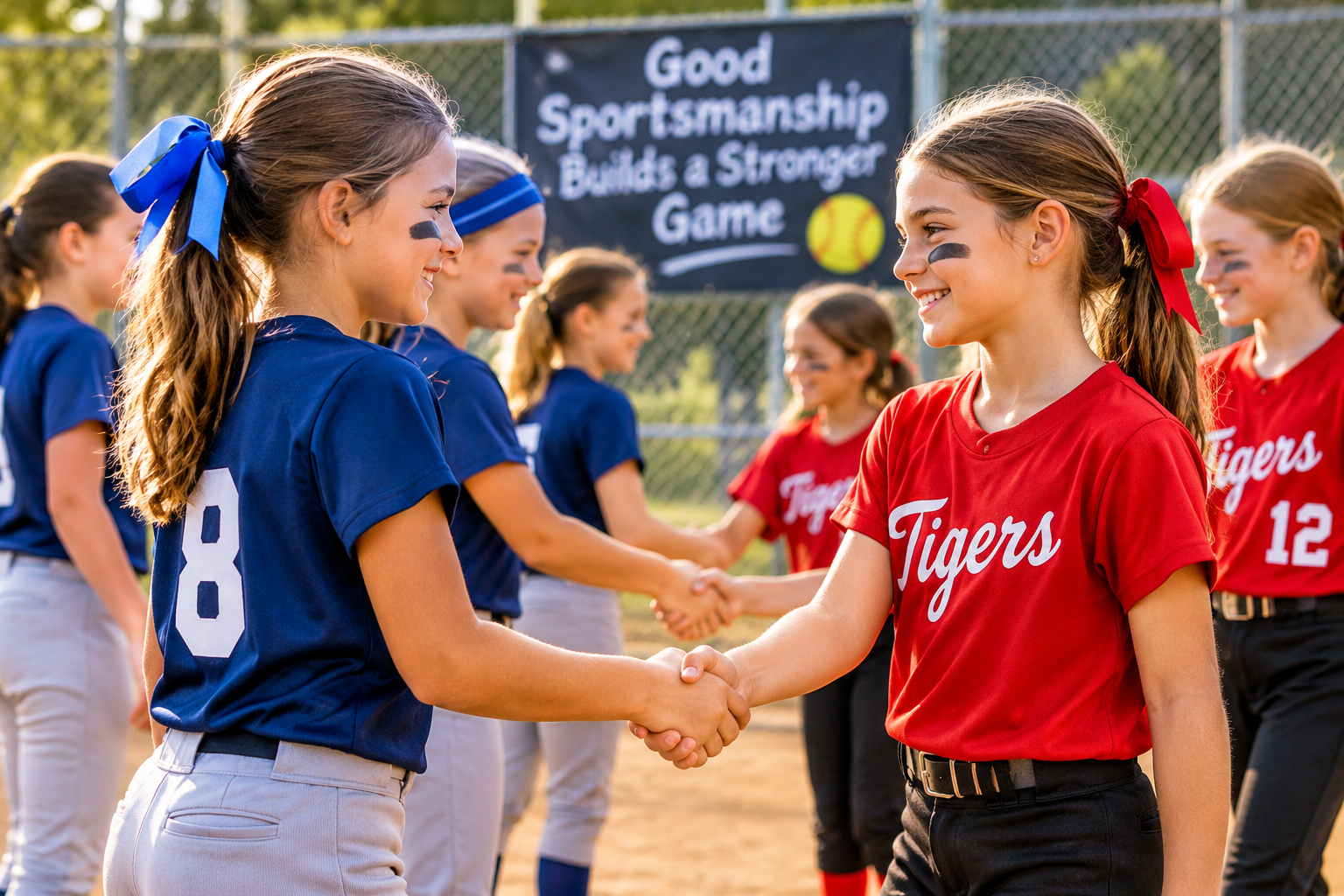
Good sportsmanship is another important lesson children can learn through sports.
It means treating teammates, opponents, coaches, and officials with respect, regardless of the outcome of the game.
Children should learn to celebrate a victory without making the opposing team feel bad.
They should also learn to accept a loss without blaming teammates or arguing with officials.
As a coach, I believe it’s important to lead by example.
Children pay attention to how adults behave. When coaches and parents demonstrate respect, patience, and encouragement, children have positive examples to follow.
Good sportsmanship isn’t just about following the rules of a game. It’s about learning how to treat other people.
Benefits of Youth Sports and Building Friendships

Another wonderful part of participating in youth sports is the opportunity to make friends.
Children meet teammates who may come from different schools, neighborhoods, or backgrounds.
They spend time practicing together, celebrating accomplishments, and encouraging each other through challenges.
These shared experiences can help children develop friendships and a sense of belonging.
Sometimes the friendships made on a soccer field or softball diamond last much longer than the season itself.
And even when they don’t, children can still learn valuable social skills from being part of a team.
Learning Discipline and Responsibility
Youth sports can also teach children about responsibility.
Showing up for practice, listening to instructions, following rules, and being prepared for games are all important parts of participating on a team.
Children begin to understand that their actions can affect other people.
If a player doesn’t pay attention during practice or refuses to cooperate, it can make things harder for the entire team.
Learning to be dependable and responsible is something that can benefit children throughout their lives.
These lessons can help them develop good habits that carry over into school, work, and personal relationships.
Why Parents Play Such an Important Role in Youth Sports
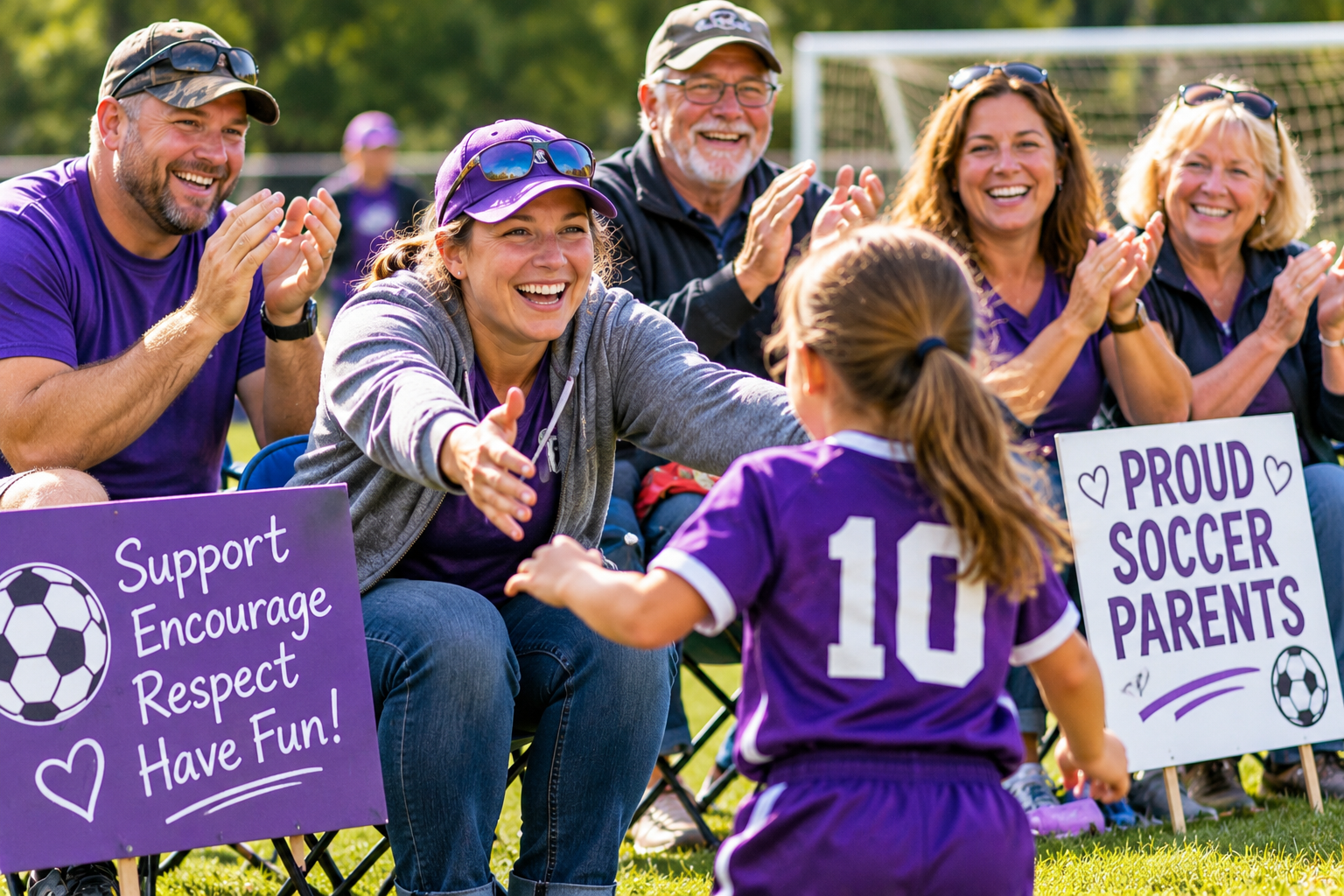
Parents have a tremendous influence on a child’s experience with sports.
Encouragement from the sidelines can help children feel supported and motivated.
Unfortunately, sometimes adults become so focused on winning that they forget why children started playing sports in the first place.
I experienced some of those challenges when I coached my daughter’s teams.
Dealing with parents could be more difficult than coaching the children!
I understand that parents want their children to succeed. But there’s a difference between encouraging a child to do their best and putting unnecessary pressure on them.
Children should be able to enjoy playing without worrying that every mistake will disappoint someone.
Parents can make a positive difference by supporting their children, respecting coaches and officials, and remembering that youth sports are supposed to be fun.
Why Having Fun Should Always Matter
Of all the benefits of youth sports, having fun is one we should never overlook.
Children are more likely to enjoy an activity when they feel comfortable, supported, and included.
Not every child who plays soccer or softball will become a professional athlete, and that’s perfectly fine.
Some children may discover a lifelong passion for sports. Others may decide to pursue different interests as they grow older.
Either way, participating in sports can still be a positive experience.
I believe children should be able to look back on their time playing sports with happy memories, whether their team won a championship or never finished in first place.
My Experience Coaching Youth Sports
Coaching my daughter’s soccer and softball teams taught me lessons, too.
I learned that coaching involves much more than teaching children how to play a game.
It requires patience, understanding, encouragement, and sometimes dealing with difficult situations.
But it can also be incredibly rewarding.
For me, the most important thing was helping the children learn, improve, work together, and enjoy being part of a team.
If you’d like to read more about my personal experiences, visit my My Coaching Experience page.
You can also explore my Community Membership for Sports page to discover another way people can connect through their interest in sports.
Final Thoughts on the Benefits of Youth Sports
The benefits of youth sports extend far beyond the scoreboard.
Children can learn teamwork, confidence, discipline, responsibility, friendship, and good sportsmanship while participating in activities they enjoy.
As a parent and former coach, I believe the lessons children learn on the playing field can be just as important as the skills they develop.
Winning a game is exciting, but helping children grow into confident, respectful, and responsible individuals is an accomplishment worth celebrating.
At the end of the day, the most important thing isn’t how many games a team wins.
It’s what the children learn, the friendships they make, and the memories they carry with them.